
From Trench to Sign-Off: Everything Fiber Construction Management Is Supposed to Cover
Quick Answer: Fiber construction management is supposed to cover the whole build, end to end, not just the digging. That includes planning and preconstruction, permitting and coordination, managing the physical construction (trenching, placement, splicing), coordinating crews and vendors, overseeing quality and inspections, controlling budget and schedule, handling problems and changes, managing documentation and (for grant-funded work) compliance, and seeing the project through testing and final sign-off. Done fully, it's continuous oversight from the first trench to the confirmed, working, signed-off network, catching problems early and keeping the whole build on track.
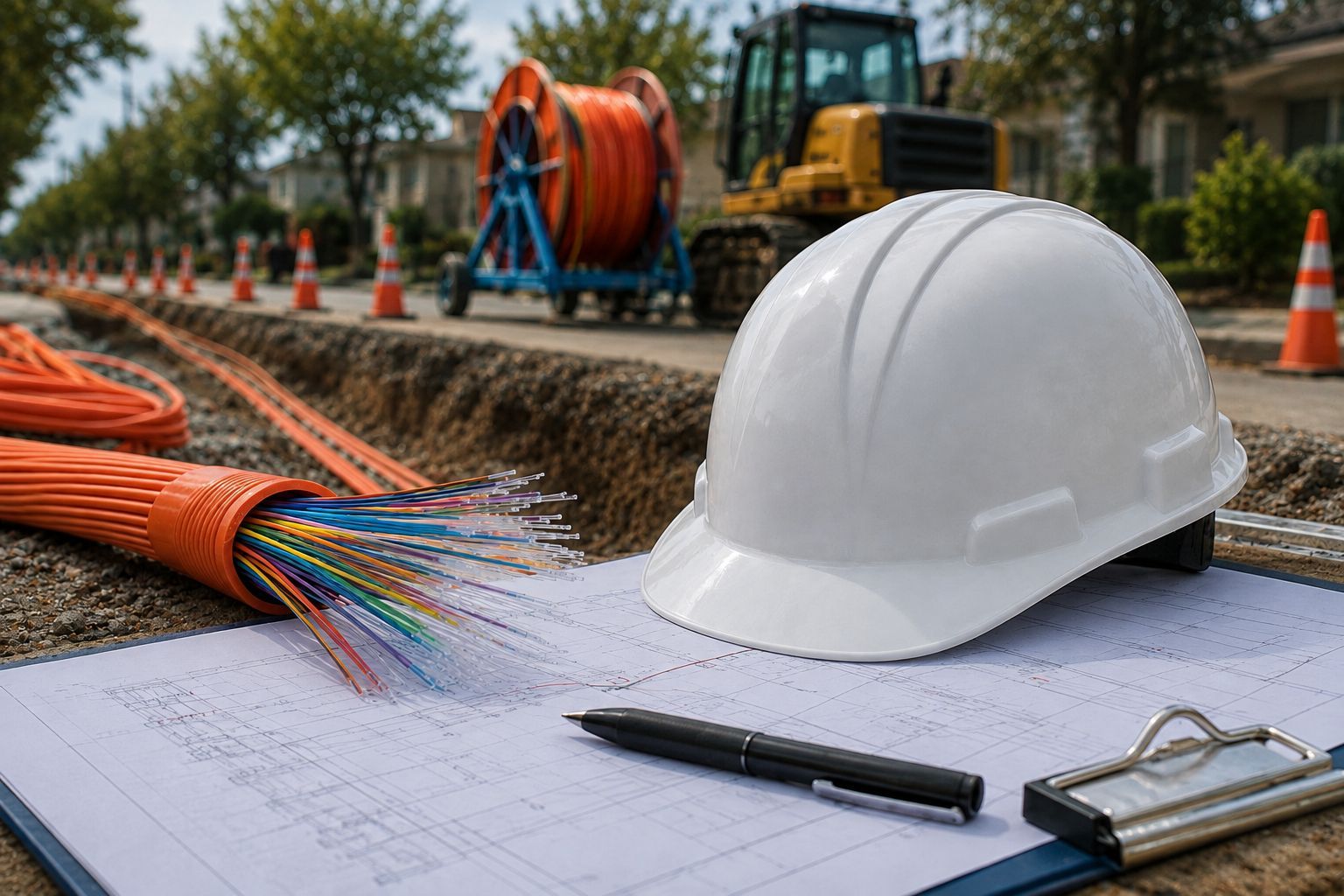
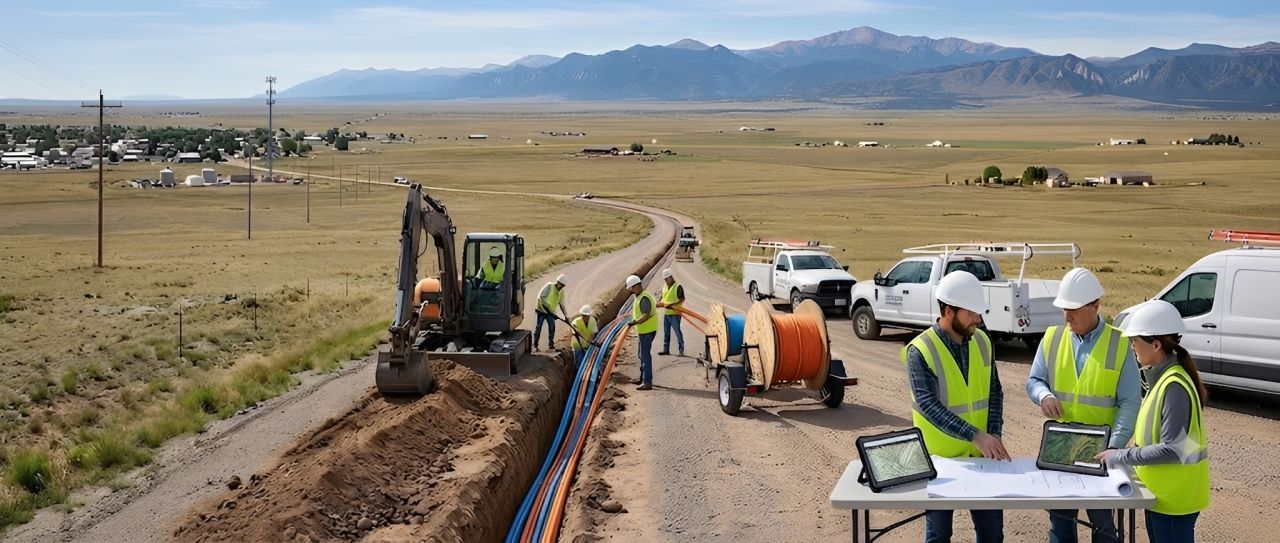
When people picture fiber construction, they often think of the visible part: crews digging trenches and pulling cable. But the actual construction is only one slice of what it takes to deliver a working fiber network, and fiber construction management is meant to cover the whole thing, from the earliest planning through the final sign-off that confirms the network works. A lot happens on either side of the trench, and managing all of it is the job.
Understanding everything fiber construction management is supposed to cover matters, because gaps in that coverage are where builds go wrong, unmanaged phases, dropped handoffs, problems caught too late. Full construction management is continuous oversight across the entire project, keeping every phase coordinated and on track. Here's what that end-to-end coverage actually includes, from trench to sign-off, so you know what proper fiber construction management looks like.
Before the Trench: Planning, Permitting, and Preconstruction
Construction management starts well before any digging, in the planning and preconstruction work that sets the build up to succeed.
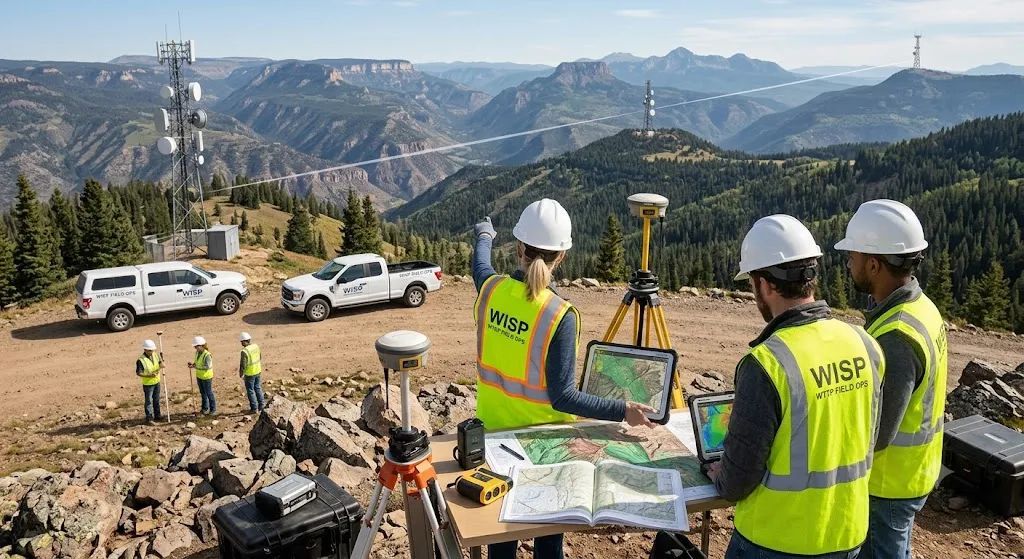
Proper management covers the upfront phase: helping finalize planning and design readiness, working through permitting and approvals, securing coordination with the relevant parties and jurisdictions, and getting the project properly set up and sequenced before construction begins. This is where a build is positioned to go smoothly or to struggle, a project that starts construction without permitting sorted, coordination lined up, and a solid plan is heading for delays and problems. Good construction management ensures the preconstruction groundwork is done so the build starts on a sound footing.
This phase is easy to underestimate because it's not the visible construction, but it's foundational. Everything downstream depends on the planning, permitting, and coordination being handled. Fiber construction management that only starts when the crews show up has already missed a critical part of its job. Covering the preconstruction phase, getting the project ready to build, is the first thing full construction management is supposed to do.
The Build: Construction, Coordination, and Quality
Through the construction itself, management covers the actual work, the trenching, placement, and splicing, plus the coordination and quality oversight that keep it on track.
Managing the physical construction. This is the core visible work: the trenching or boring, placing the conduit and cable, splicing the fiber, and the associated construction. Management oversees that this work is done properly, on schedule, and to spec.
Coordinating crews, vendors, and phases. A fiber build involves multiple crews, vendors, and sequenced phases that must be coordinated, keeping the work aligned and moving so crews aren't waiting, work happens in the right order, and the pieces fit. This coordination is a huge part of keeping a build efficient.
Overseeing quality and inspections. Management watches that the work meets quality standards and specifications and manages the inspections along the way, catching problems while they're small rather than discovering them at the end. Quality oversight during the build is what prevents expensive rework and a network that underperforms.
This construction phase is what most people think of as "the build," and managing it well, the work, the coordination, the quality, is central to construction management. But note that even here, it's not just directing the digging; it's active oversight of quality, sequence, and coordination throughout. Getting the physical build done right and on schedule is a core part of what construction management covers, though not the whole of it.
Tip: When evaluating whether a build has proper construction management, look at whether the coverage is truly end-to-end, or just the middle. Ask who's handling the preconstruction planning and permitting, who's coordinating and overseeing quality during the build, who's controlling budget and schedule and managing changes, who's handling documentation and compliance, and who's driving the testing and final sign-off. Gaps in any of these, especially the bookend phases (preconstruction and closeout) that are easy to neglect, are where builds run into trouble. Full coverage is the goal.
Throughout: Budget, Schedule, Problems, and Compliance
Running across the entire project, not tied to one phase, construction management covers the ongoing control functions that keep the build on track and protected.
Budget and schedule control. Throughout the build, management tracks and controls the budget and schedule, managing change, controlling costs, keeping to the timeline, and heading off the overruns and delays that come from letting these drift. This ongoing financial and schedule discipline runs the whole length of the project.
Problem-solving and change management. Builds encounter issues, permitting snags, field surprises, vendor problems, changes, and management handles them: resolving problems efficiently and managing changes in a controlled way so they don't blow up the budget or schedule. Handling the inevitable bumps well is a continuous part of the job.
Documentation and compliance. Proper management keeps the documentation the project needs and, for grant-funded builds, ensures compliance obligations and reporting are met throughout, protecting the funding. This runs across the whole project, not just at the end.
These functions aren't a single phase; they're continuous responsibilities that span from preconstruction to closeout. They're also where a lot of a build's success or failure is determined, budgets kept or blown, compliance protected or jeopardized, problems handled or left to fester. Full construction management covers these throughout, which is a big part of why it's continuous oversight rather than just supervising the digging.
To Sign-Off: Testing, Closeout, and Confirming It Works
Finally, construction management covers the closeout, seeing the project through testing and final sign-off that confirms the network actually works and the project is properly completed.
A fiber build isn't done when the last cable is placed; it's done when the network has been tested and confirmed to work, and the project properly closed out. Construction management covers this final phase: managing the testing and verification that the fiber performs as it should, handling the inspections and completion requirements, and driving the project to a proper sign-off. This closeout is critical, it's where you confirm you actually got a working network that meets the requirements, not just finished construction.
Skipping or shortchanging this phase is a real risk, a build that's "done" but not properly tested, verified, and closed out can hide problems that surface later. Good construction management sees the project all the way through to that confirmed, signed-off completion. So the full arc, from the first trench through the final sign-off, is what fiber construction management is supposed to cover: continuous, end-to-end oversight that starts before the digging, spans the build and its ongoing controls, and ends only when the network is confirmed working and the project is properly closed. Anything less than that full coverage leaves gaps where problems live.
Warning: Beware of "construction management" that only covers the visible middle, supervising the digging, while leaving the bookend phases and continuous functions thin. Gaps in preconstruction (planning, permitting, coordination), in ongoing budget/schedule/change control and compliance, or in the closeout (testing, verification, sign-off) are exactly where builds run into delays, overruns, compliance failures, and networks that "finished" but don't fully work. A build isn't truly managed unless the oversight is end-to-end, from trench to confirmed sign-off. Incomplete coverage is where the expensive problems hide.
Frequently Asked Questions
What does fiber construction management actually cover?
The whole build, end to end, not just the digging: preconstruction (planning, permitting, coordination), the physical construction (trenching, placement, splicing) with crew/vendor coordination and quality oversight, ongoing budget and schedule control, problem-solving and change management, documentation and (for grant-funded work) compliance, and the closeout, testing, verification, and final sign-off. It's continuous oversight from the first trench to the confirmed, working, signed-off network.
Isn't construction management just supervising the crews digging?
No, that's only the visible middle. Proper construction management starts before the trench (planning, permitting, coordination) and continues after the last cable (testing, verification, sign-off), while running continuous functions throughout, budget and schedule control, change and problem management, documentation, and compliance. Managing only the digging leaves major gaps on either side, which is exactly where builds tend to go wrong.
Why does the preconstruction phase matter so much?
Because it sets the build up to succeed or struggle. Planning and design readiness, permitting and approvals, and coordination with the relevant parties all have to be handled before construction, a build that starts without those sorted is heading for delays and problems. Everything downstream depends on this groundwork, so construction management that only starts when crews arrive has already missed a foundational part of its job.
What functions run across the whole project, not just one phase?
Budget and schedule control, problem-solving and change management, and documentation and compliance. These aren't tied to a single phase, they span from preconstruction to closeout, and they're where much of a build's success is determined: budgets kept or blown, compliance protected or jeopardized, problems handled or left to fester. Full construction management covers these continuously, which is part of why it's ongoing oversight rather than one-time supervision.
Why is testing and sign-off so important?
Because a fiber build isn't truly done when the last cable is placed, it's done when the network is tested, confirmed to work, and properly closed out. This closeout is where you verify you actually got a working network meeting the requirements, not just finished construction. Shortchanging it risks a build that's "done" but hides problems that surface later. Good construction management drives the project through to confirmed, signed-off completion.
How do I know if a build has proper end-to-end management?
Check whether coverage is truly end-to-end, not just the middle. Ask who handles preconstruction planning and permitting, who coordinates and oversees quality during the build, who controls budget and schedule and manages changes, who handles documentation and compliance, and who drives testing and final sign-off. Gaps, especially in the easy-to-neglect bookend phases (preconstruction and closeout), are where builds get into trouble. Full coverage across every phase is what you want.
What happens if construction management has gaps?
That's where the expensive problems live. Gaps in preconstruction lead to permitting and coordination delays; thin ongoing control leads to overruns, unmanaged change, and compliance failures; a skimped closeout leads to networks that "finished" but don't fully work. Because a build is only as managed as its weakest phase, incomplete coverage undermines the whole project. End-to-end oversight, from trench to sign-off, is what prevents those gap-driven problems.
Manage the Whole Build, Not Just the Trench
Fiber construction management is supposed to cover far more than crews in a trench, it's continuous oversight across the entire build, from the planning, permitting, and coordination before the first dig, through the construction and its quality and coordination, across the ongoing budget, schedule, change, and compliance controls, and all the way to the testing and final sign-off that confirm a working network. The visible digging is just the middle. Gaps anywhere in that arc, especially the easily neglected preconstruction and closeout phases, are where builds run into delays, overruns, and networks that don't fully deliver. Proper fiber construction management covers it all, trench to sign-off, which is what keeps a build on track and delivers the network you set out to build.
Get fiber construction management that covers the whole build, not just the trench — Successful fiber projects require oversight from preconstruction planning and permitting through construction, quality control, budget management, schedule coordination, compliance, testing, and final sign-off. Missing any stage can lead to delays, added costs, and performance issues. With 20
years of experience, TrueLight Construction LLC
provides comprehensive
fiber construction management
services in Colorado Springs, Colorado, guiding broadband projects from initial planning to successful network completion. Reach out today to ensure your build is professionally managed from start to finish.